Tracing Payment System Adaptations Across Provider Lineups for Promotion Access in Swiss Digital Gaming Scenes
Geschrieben von Jakob Reed · 9.10.2026
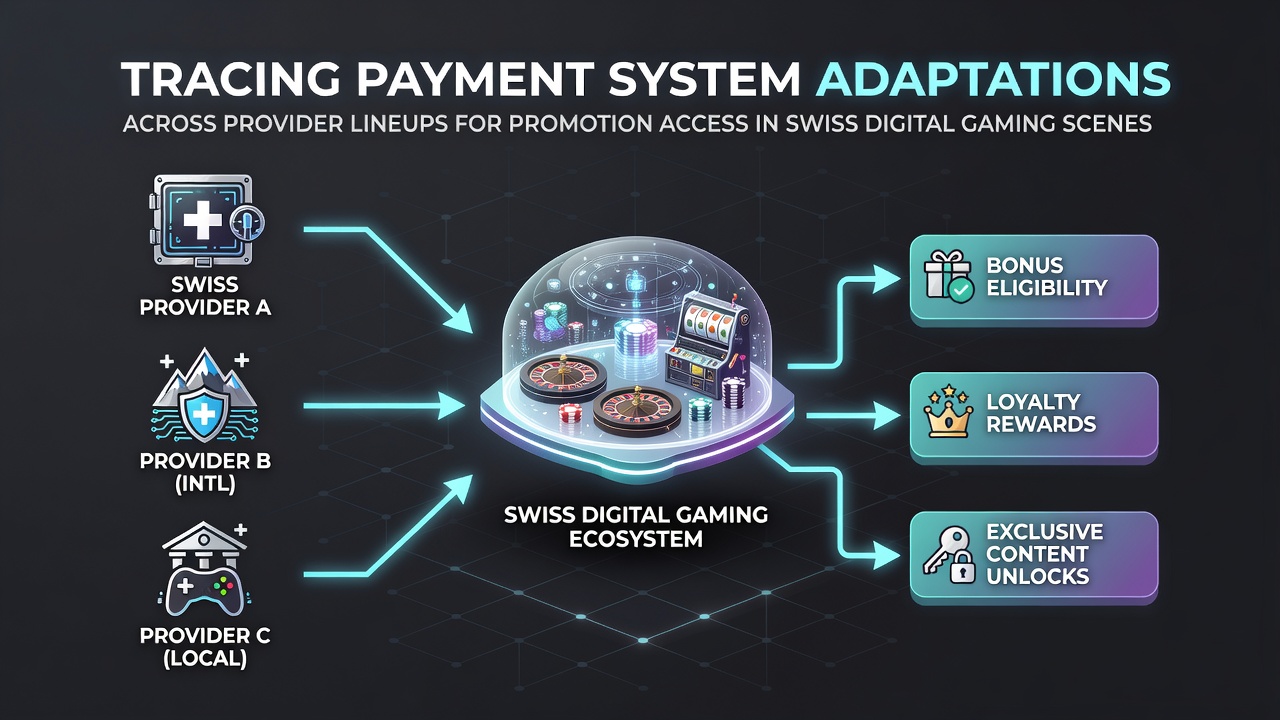
Tracing Payment System Adaptations Across Provider Lineups for Promotion Access in Swiss Digital Gaming Scenes
Swiss digital gaming has seen payment systems evolve to handle promotion access more efficiently across various provider lineups, with operators adjusting their infrastructure to meet both regulatory standards and player expectations in October 2026. These adaptations focus on seamless integration of deposit methods that trigger bonuses, free spins, and loyalty rewards while maintaining compliance with federal oversight from the Swiss Federal Office of Justice and related bodies.
Regulatory Framework Guiding Payment Adjustments
Data from industry reports indicates that Swiss regulations require licensed providers to separate player funds from operational accounts, which has pushed companies to refine their transaction pipelines for promotional offers. Providers such as those operating under the Intercantonal Agreement on Gambling must ensure that payment gateways support instant verification processes, allowing promotions to activate without delays that could breach transparency rules. Observers note that this setup encourages the use of standardized APIs that connect banking networks directly to gaming platforms, reducing friction when players move between deposit and bonus activation stages.
Provider-Specific Adaptations in Payment Gateways
Leading game developers have rolled out tailored solutions where payment systems incorporate conditional triggers tied to promotion eligibility, and these changes appear across multiple lineups rather than in isolated cases. For instance, some providers integrate e-wallet options that flag deposits eligible for matched bonuses automatically, while others rely on bank transfer protocols that batch promotional credits after regulatory checks clear. Research from European gaming associations shows that such modifications have increased the speed of promotion access by streamlining authentication layers, particularly in mobile environments popular among Swiss users. Those who monitor these shifts often point to how smaller providers follow suit by adopting modular payment add-ons, enabling them to compete without rebuilding entire backend systems from scratch.
Payment providers have also adjusted their fraud detection modules to accommodate promotional flows, incorporating machine learning checks that distinguish between regular transactions and those linked to bonus codes. This dual-purpose approach keeps systems compliant while supporting the volume of promotional redemptions observed in recent quarters. Figures from trade group analyses reveal that operators using these adapted gateways report fewer interruptions during peak promotion periods, especially when multiple providers align their protocols for cross-platform play.
Integration Challenges Across Diverse Lineups
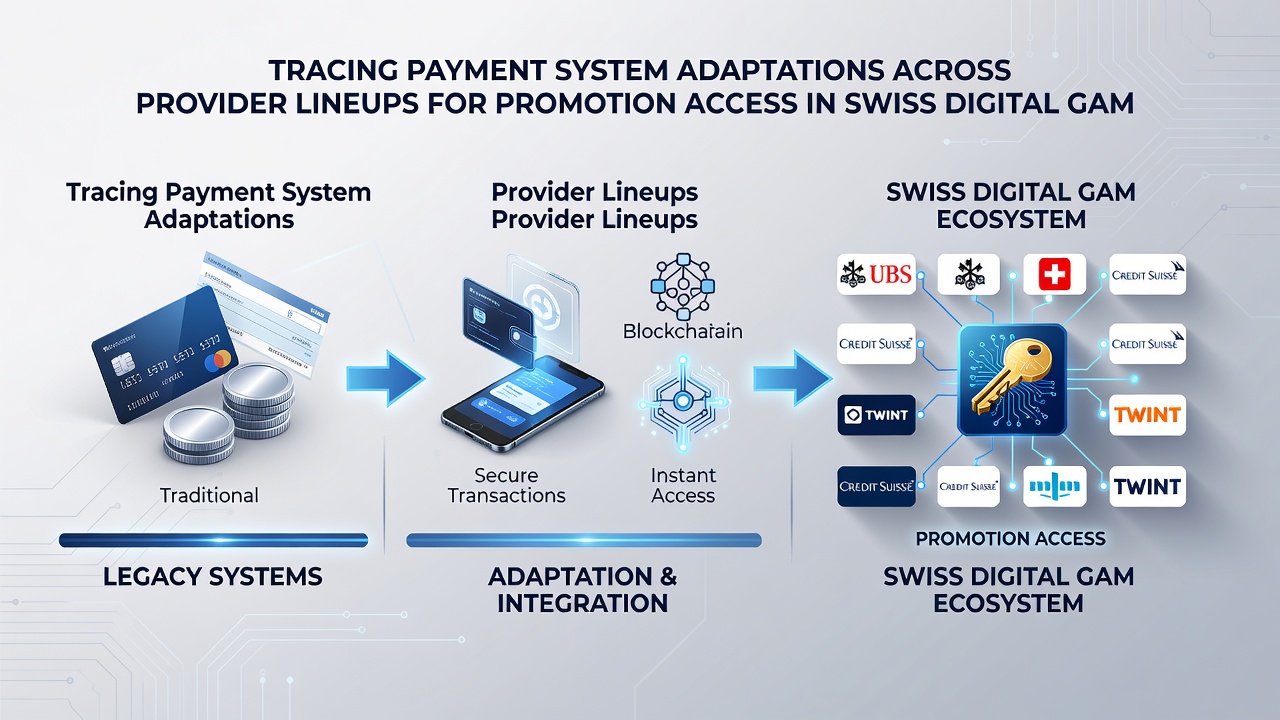
Variations in provider technology stacks create ongoing hurdles for uniform payment adaptations, yet many have converged on hybrid models that blend traditional banking rails with digital wallets optimized for Swiss markets. According to studies conducted by research institutions in Canada, these hybrid systems allow promotions to apply across different game categories without requiring separate deposit flows for each provider. Experts have observed that providers handling high-volume traffic tend to prioritize real-time settlement features, which help promotions activate immediately after deposit confirmation and reduce the window for user drop-off. Meanwhile, legacy operators update their interfaces gradually, incorporating feedback loops that refine how promotional credits appear in account dashboards.
Case examples from Swiss-licensed platforms demonstrate how one lineup introduced tiered payment verification that scales based on promotion size, and this method has influenced similar adjustments elsewhere in the sector. Data indicates that such tiering helps manage risk while preserving access to entry-level bonuses that attract new participants. Those tracking October 2026 developments note an uptick in providers testing blockchain-based verification for certain promotional deposits, though adoption remains selective due to integration costs and regulatory scrutiny.
Impact on Player Access and Transaction Flows
Adapted payment systems have altered how players navigate from deposit to promotion redemption, with many lineups now featuring unified interfaces that display eligible offers alongside transaction options. Industry reports highlight that these changes correlate with higher retention rates during promotional campaigns, as the process feels more intuitive across different provider environments. Researchers at academic centers in Australia have documented similar patterns in regulated markets, where streamlined gateways minimize errors in bonus allocation and support consistent access regardless of the underlying game supplier.
Additional adaptations include support for multi-currency handling that aligns with Swiss franc transactions, ensuring promotions tied to deposits maintain accurate valuation during conversion. This feature proves particularly useful for providers serving cross-border users while staying within Swiss licensing boundaries. The reality is that payment processors continue refining their tools to handle edge cases, such as failed promotions due to timing mismatches, through automated reconciliation processes that run in the background.
Conclusion
Payment system adaptations across Swiss digital gaming providers continue to prioritize regulatory alignment and efficient promotion access, resulting in more interconnected lineups that support varied transaction methods. These developments reflect broader industry responses to compliance needs and technological capabilities, with ongoing refinements expected as new tools emerge in the months ahead.